
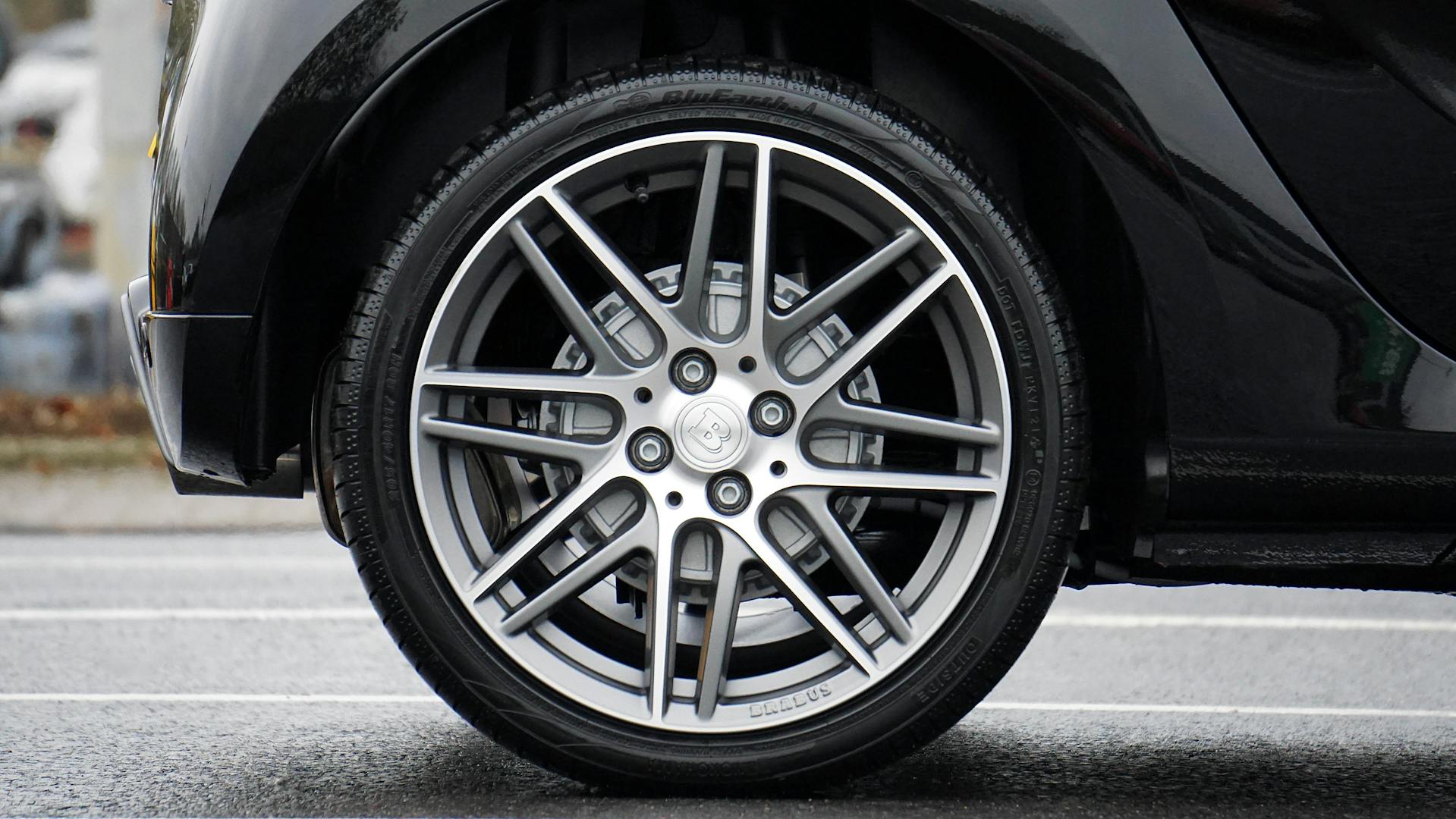
Performance tires are engineered with specific design features that distinguish them from standard tires. These tires often use specialized rubber compounds and tread patterns that prioritize traction and responsiveness. The tire’s structure, including sidewall stiffness and tread depth, plays a key role in how it interacts with the road surface. Unlike general-purpose tires, performance variants focus on maximizing road contact under varying conditions. This design approach creates a foundation for improved vehicle dynamics, influencing how the car accelerates, maintains grip, and handles directional changes.
Impact on Acceleration and Power Transfer

Acceleration depends on how effectively a vehicle transfers engine power to the road, and tire design directly affects this process. Performance tires enhance this transfer by increasing the friction between the tire and the driving surface. The rubber compounds used in these tires are formulated to provide higher levels of traction, allowing the wheels to maintain contact without excessive slipping. This improved traction enables smoother, more controlled acceleration. Maintaining consistent contact with the road ensures that the engine’s force translates into forward motion more efficiently.
Enhancing Grip Through Material and Tread Design
Grip is a fundamental aspect of tire performance and is influenced by both material composition and tread pattern. Performance tires typically use softer rubber compounds that adapt more effectively to the road surface. This adaptability increases the contact area and improves traction. Tread patterns are designed to channel water and maintain stability under different conditions, reducing the risk of losing control. The combination of material and design strikes a balance between adhesion and stability, enabling the tire to maintain a strong connection to the road across various driving scenarios.
Influence on Cornering Stability and Control
Cornering places unique demands on tires, requiring them to handle lateral forces while maintaining stability. Performance tires feature reinforced sidewalls that help maintain shape under these conditions. This structural support allows the tire to respond more precisely to steering input, improving control during turns. The increased grip also contributes to stability, as the tire remains firmly connected to the road surface. These factors work together to enhance the vehicle’s ability to navigate curves with greater confidence and accuracy.
The Role of Heat and Surface Interaction

Heat generation is an important factor in tire performance, as it affects how the rubber interacts with the road. Performance tires are designed to operate within specific temperature ranges where their materials provide optimal grip. As the tire warms up during use, the rubber becomes more flexible, increasing its ability to conform to the road surface. This interaction improves traction and overall performance. However, the relationship between heat and material composition requires careful balance to maintain durability while maximizing grip.
Performance tires influence acceleration, grip, and cornering through their specialized design, material composition, and structural features. By enhancing traction and maintaining stability, they improve a vehicle’s interaction with the road. The combination of increased friction, responsive handling, and controlled heat interaction defines their role in vehicle dynamics. Understanding these factors provides insight into how performance tires contribute to …